Two-stage furnaces run at a low setting for most of the heating season and switch to full power only when it’s genuinely cold, which gives steadier indoor temperatures than a single-stage unit that only knows on or off. For most homeowners, two-stage is the better everyday comfort choice, but the honest answer is that correct sizing and thermostat setup often matter more than the stage count on the box.
TL;DR:
- Proper sizing through heat-loss calculations is more critical to comfort than choosing a single-stage or two-stage furnace.
- Two-stage furnaces provide more consistent airflow and quieter operation, especially with an ECM blower, compared to single-stage units.
- Fuel efficiency remains similar between stage types, with staging offering only modest savings, while blower motor choice affects electricity use.
- Oversized systems and unsealed ducts diminish the benefits of staging and cause comfort issues, regardless of furnace stage count.
- Correct airflow, regular duct cleaning, and furnace maintenance are essential to maximize the performance of any staged heating system.
Table of Contents
- How single-stage and two-stage furnaces operate
- Why comfort and noise differ so much between the two
- What AFUE and staging actually mean for your energy bill
- Why sizing matters more than which stage you pick
- How your thermostat decides when to switch stages
- What two-stage or modulating equipment actually costs
- Decision checklist: single-stage, two-stage, or modulating
- How duct and furnace cleaning change the outcome
- What installers see most often in the field
- Get your furnace and ducts ready for the heating season
- Where to check the technical details yourself
- Sources
- FAQ
How single-stage and two-stage furnaces operate
A single-stage furnace has one setting: full fire or nothing. When the thermostat calls for heat, the burner ignites at 100% capacity and stays there until the space reaches setpoint, then shuts off completely. That’s simple and reliable, but it means every heating cycle is short and intense.
A two-stage furnace adds a lower firing rate, typically around 60 to 65% of maximum output, and reserves full capacity for colder days or a big temperature call, according to EnerGuide guidance on furnaces. On a mild day, the furnace can run on low stage for long stretches, which keeps warm air moving more evenly through the ducts. Staging is different from modulating, which adjusts firing rate continuously across a range rather than jumping between two fixed points. Many two-stage furnaces pair with a variable-speed blower, but not all of them do, so the blower motor type is worth confirming separately from the stage count.
Why comfort and noise differ so much between the two
The practical difference shows up in how a room feels. Single-stage furnaces blast hot air quickly, then go silent, which can create noticeable temperature swings between cycles, warm bursts followed by a slow cool-down before the next call for heat. Two-stage units spend more time on low fire, so they push a gentler, more constant stream of warm air and avoid the peaks and valleys.
Noise is part of the story too. A single-stage furnace firing at full blast, especially with an older PSC blower motor, tends to be louder at startup and shutdown. Two-stage furnaces often pair with an ECM blower that ramps up and down smoothly, so the transitions are quieter. That said, single-stage furnaces perform perfectly well in smaller, well-insulated homes with simple duct layouts where big temperature swings are less likely in the first place.
What AFUE and staging actually mean for your energy bill
Canada rates furnace efficiency using AFUE and EnerGuide labels, and many modern residential gas furnaces sold here meet high AFUE levels, commonly around 95%, according to Natural Resources Canada’s guide to heating with gas. That figure describes how much fuel energy becomes usable heat, and it applies whether the furnace is single-stage or two-stage.
Staging itself tends to deliver modest fuel savings rather than a dramatic cut in your bill, according to an HVAC sales training resource. The real win from two-stage is comfort, not a smaller gas bill. Where you’ll see a bigger electrical difference is the blower motor: an ECM blower uses less electricity than a standard PSC motor and also improves humidity control by moving air more gradually, so it’s worth checking which motor comes with the furnace you’re quoted.
Why sizing matters more than which stage you pick
A furnace that’s too big for the home will short cycle no matter how many stages it has, and short cycling erases most of the comfort benefit two-stage is supposed to deliver. That’s why a proper heat-loss calculation using CSA F280 should come before any decision about equipment, and a heat pump sizing guide from EPCM walks through similar heat-loss principles that apply across heating equipment types.
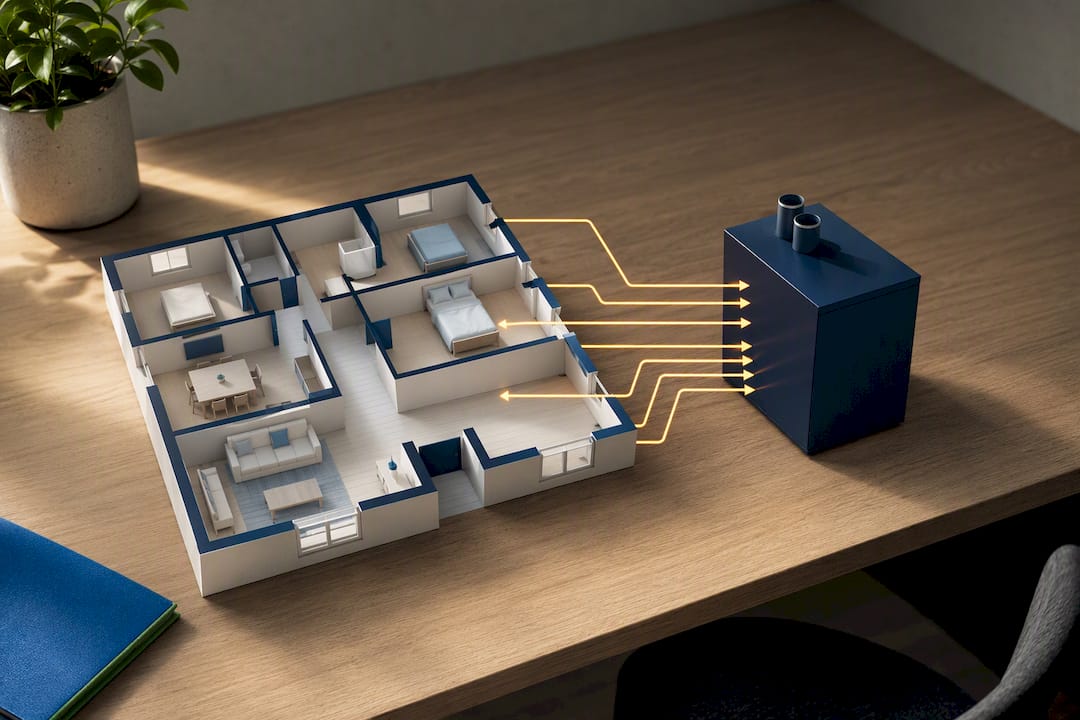
Oversizing is common when a contractor quotes based on the old furnace’s size rather than an actual calculation. Duct leaks, poor sealing, and non-sealed combustion venting also chip away at performance regardless of stage count, so ask your installer how they plan to size and seal the system before comparing furnace models.
How your thermostat decides when to switch stages
Two-stage furnaces rely on the thermostat or an integrated control board to decide when to escalate from low to high. That logic usually works one of two ways: a runtime threshold, where the furnace bumps to high stage if it’s been running on low for roughly 10 to 12 minutes without hitting setpoint, or an outdoor-temperature lockout that forces high stage below a set outdoor temperature, according to a guide on furnace staging thresholds. A practical starting point for colder climates is an outdoor lockout near +5°C, though installers often retune this from the factory default. Ask whether your thermostat supports staged terminals and whether a smart thermostat is compatible before assuming any control will work.
What two-stage or modulating equipment actually costs
Two-stage and modulating furnaces carry an upfront premium over single-stage models, driven mainly by the added control board, a more capable blower motor, and extra installer labour to configure staging and lockout settings correctly. An ECM blower and integrated staging controls both add to the equipment cost before installation even begins.
Lifecycle value depends heavily on maintenance. A furnace with dirty burners, a clogged filter, or restricted ductwork will underperform its rated efficiency no matter which stage type it uses, so a periodic tune-up and duct cleaning protect the investment you already made, as outlined in this guide to clean ducts and furnace efficiency.
Decision checklist: single-stage, two-stage, or modulating
Match the equipment to the home, not the marketing. A few practical rules help narrow the choice before you sit down with quotes.
- Choose single-stage for a small, simply laid out home where big temperature swings are unlikely.
- Lean toward two-stage if you want steadier temperatures and quieter operation across a typical heating season.
- Reserve modulating furnaces for larger or more complex homes where fine-grained comfort control justifies the extra cost.
- Insist on a CSA F280 heat-loss calculation before comparing equipment, since oversizing undermines any stage type.
- Factor in how long you plan to stay in the home, since the upfront premium for staging pays back slowly through comfort rather than fuel savings.
How duct and furnace cleaning change the outcome
A staged furnace can only deliver on its design if air actually moves the way it’s supposed to. Dust-clogged ducts and a dirty blower wheel restrict airflow, forcing the furnace to work harder on low stage or jump to high stage more often than it should. A combustion tune-up and a clean blower reduce these runtime anomalies and let the staging logic behave the way the manufacturer intended, as detailed in this duct efficiency guide.
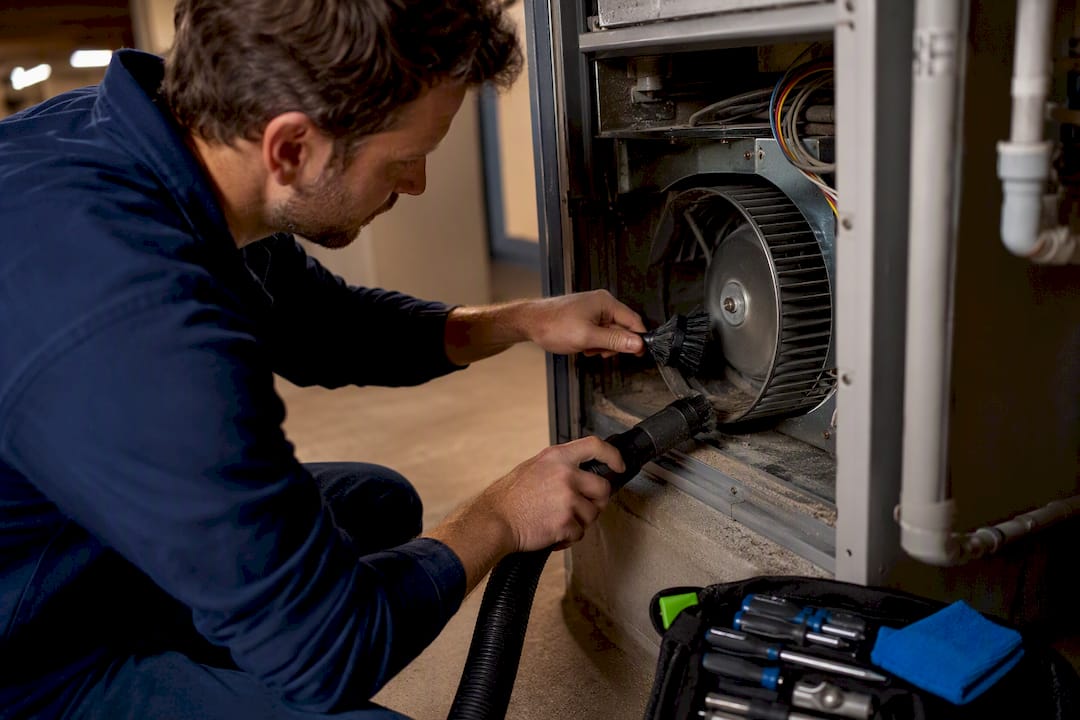
Pro Tip: Book a duct and furnace inspection before the coldest months hit, since airflow problems are easiest to fix before the system is running at capacity every day.
What installers see most often in the field
The most common issue isn’t the wrong furnace, it’s a furnace sized for the wrong home or ductwork that was never sealed properly. Dirty ducts and skipped tune-ups show up again and again behind comfort complaints. Most of those complaints resolve with correct sizing, a thorough cleaning, and a staging setting matched to the local climate rather than a factory default.
— Jayce
Get your furnace and ducts ready for the heating season
Whether you’re running single-stage, two-stage, or modulating equipment, it only performs as well as the ductwork and burners behind it. Blue Brothers offers furnace cleaning and air duct cleaning to clear the airflow restrictions and combustion issues that quietly undercut staging and efficiency, with certified technicians and clear pricing.
If your furnace is short cycling, running louder than it should, or you’re simply due for a seasonal check, book a furnace cleaning or duct inspection with Blue Brothers and get a straight answer on what’s actually limiting your comfort.
Where to check the technical details yourself
For AFUE and EnerGuide ratings, consult Natural Resources Canada’s furnace resources. For sizing standards and heat-loss calculations, CSA F280 guidance is summarized in the heating with gas primer.
Sources
- EnerGuide: furnaces (Natural Resources Canada)
- Single stage vs two stage vs modulating (HVAC Sales Master)
- Getabetterquote
FAQ
What are the downsides of a two-stage furnace?
Two-stage furnaces cost more upfront than single-stage models because of the added control board and blower, and factory staging settings are sometimes tuned for milder climates, requiring an installer to adjust runtime or outdoor lockout thresholds, according to a guide on staging thresholds. The fuel savings from staging alone also tend to be modest rather than dramatic.
Is it worth getting a two-stage furnace?
For most homes, yes, since two-stage equipment delivers steadier temperatures and quieter operation than single-stage units. The bigger factor in whether it’s worth it is proper sizing through a heat-loss calculation and clean ductwork, since an oversized or poorly ducted system can erase the benefit regardless of stage count.
How do I know if my furnace is 1 stage or 2 stage?
Check the furnace’s rating plate or model tag, which usually lists the stage type alongside the AFUE rating, and look at your thermostat wiring for a second stage terminal which indicates staged operation. You can also observe the furnace: if it always fires at the same intensity and shuts off completely between cycles, it’s single-stage.
Which is better, a 1 stage or 2 stage gas furnace?
Two-stage furnaces generally offer better comfort through steadier heat and quieter operation, since they spend most of their time on a low setting around 60 to 65% capacity rather than cycling on and off at full power, according to EnerGuide. Single-stage furnaces remain a solid, lower-cost option for smaller homes with simple layouts where large temperature swings aren’t a practical concern.