Duct sanitizing is worth considering only after your ducts have been physically cleaned, and only when an inspection finds a specific problem such as mould, rodent contamination or fire or flood residue. The cleaning does the real work: it removes dust and debris from the system. The chemical step is a supplement, and a good contractor will explain why before they sell it. If you are weighing a quote that bundles the two, this guide shows what each step is, when the add-on earns its price, and what to ask before anyone sprays anything in your home.
TL;DR
- Cleaning means mechanically removing dust and debris from ducts. Sanitizing means applying a chemical afterward. Duct-cleaning professionals describe removal of the source as the primary method, with chemicals as a supplement.
- Good reasons to book an inspection: heavy visible mould on duct parts, pests, or lots of dust and debris blowing out of your registers, as the U.S. EPA lists them.
- In Canada, biocides used for HVAC cleaning must be regulated for that use by Health Canada’s PMRA, so ask for the product name and label before approving it.
- Fix the moisture source first. Mould returns if the dampness behind it stays.
- Our published prices run $400 to $800 for air duct cleaning and $99 to $225 for dryer vent cleaning, and dryer vents are a separate fire-safety job.
Table of Contents
- Cleaning and sanitizing are two different jobs
- When cleaning your ducts is worth the money
- When sanitizing makes sense, and when it is an upsell
- What to check before any chemical goes into your ducts
- What to expect afterwards
- Dryer vents are a separate safety job
- What it costs
- For property managers and small businesses
- Our approach
- Book an inspection and a clean
- FAQ
- Sources
Cleaning and sanitizing are two different jobs
Most of the confusion in quotes comes from treating these words as synonyms.
Duct cleaning is mechanical. A technician agitates the surfaces inside the supply and return ducts, the registers, and the furnace or air handler, and pulls the loosened dust and debris out of the system with a vacuum collection setup.
Duct sanitizing is chemical. After cleaning, a product is applied to the duct surfaces with the aim of reducing microbes. It cannot stand in for removing the dirt, because a treatment applied over dust is applied over dust.
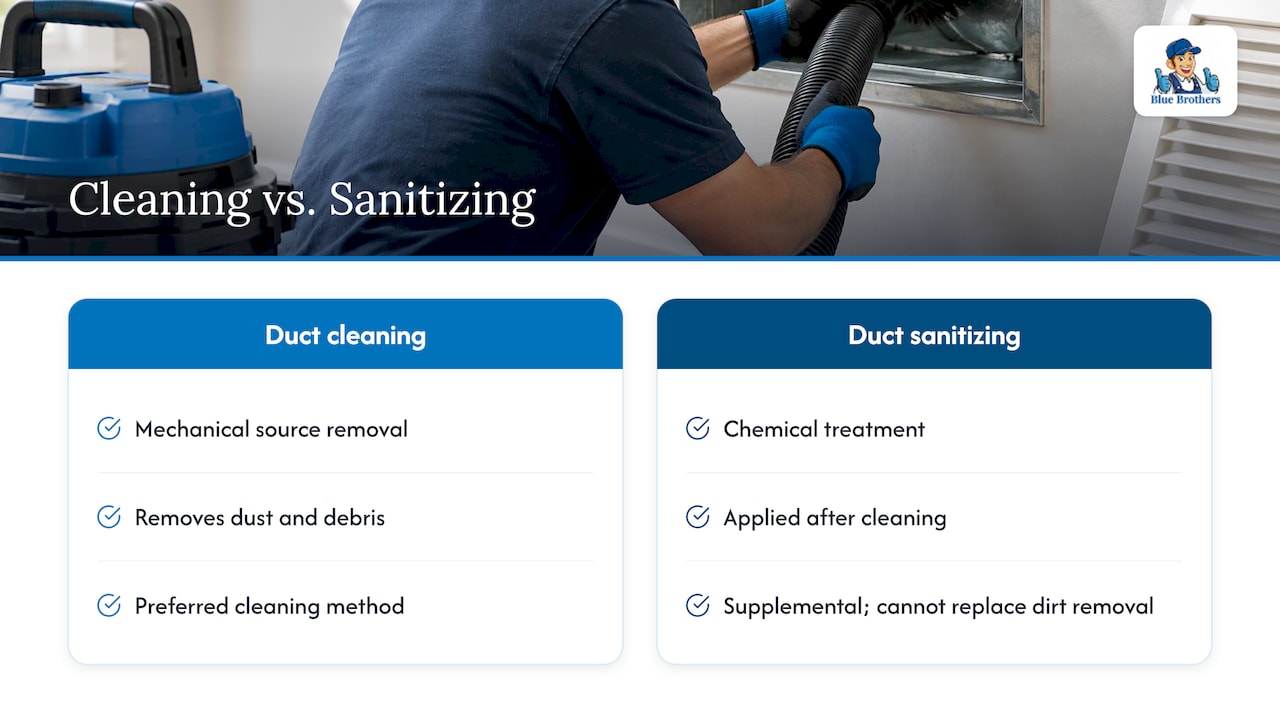
The professional trade body NADCA puts it this way: source removal is the preferred method and chemical treatments are supplemental, not required for effective cleaning. It also warns that technicians should not promise that ductwork will be disinfected, since no chemical treatment is 100% effective. That is a useful rule when you read a quote: the wording “sanitizing” should come with a clear explanation of what is applied, where, and why.
We lay out the same sequence on our page about sanitizing air ducts in Canada: clean first, document any contamination, and treat only when the inspection confirms a reason.
When cleaning your ducts is worth the money
EPA guidance does not call for cleaning on a fixed schedule. It points to specific conditions. According to the EPA’s guidance on duct cleaning, an inspection and cleaning as needed make sense when you see:
- Substantial visible mould growth on hard surfaces inside the ducts or on other HVAC components.
- Vermin infestation, such as rodents or insects in the ducts.
- Ducts clogged with dust and debris, or particles being released into the rooms from the supply registers.
In Canadian homes, the common triggers are a renovation that put drywall dust through the system, a pest problem in an older home, or smoke after a wildfire. If one of these sounds like your house, our pages on post-renovation duct cleaning and air duct cleaning after a wildfire go through what to check.
A quick look before you call is reasonable. Our guide to five checks you can do yourself covers what to look at on registers and filters. It also explains when a certified inspection is the better next step.
How often you clean is a separate question. Three to five years is a common rule of thumb, but it is not a deadline, and our note on cleaning frequency explains how pets, smoking, renovations and filter habits move that number.
When sanitizing makes sense, and when it is an upsell
Sanitizing earns a place in the job in a short list of cases:
- Confirmed mould on duct surfaces. Cleaning removes what can be removed; a treatment may follow if the inspection documents the growth.
- Rodent or pest contamination. Droppings and nesting material are removed first. A treatment follows only if the contaminated surfaces call for it.
- Fire or flood residue. Smoke and water damage leave deposits and odours that sit on duct surfaces.
- A persistent odour after you have fixed the cause. If the smell remains once the leak, spill or source is gone, an inspection can tell you whether the ducts are holding it.
It is a poor purchase when it is offered as a blanket add-on for a house with no sign of contamination, or as a way to get “cleaner air” without a clean. Ask the contractor what they found that justifies it. If the answer is a photo, an inspection note or a lab result, that is a real reason. If the answer is “it’s included in the package,” ask for the details.
Fix the moisture first
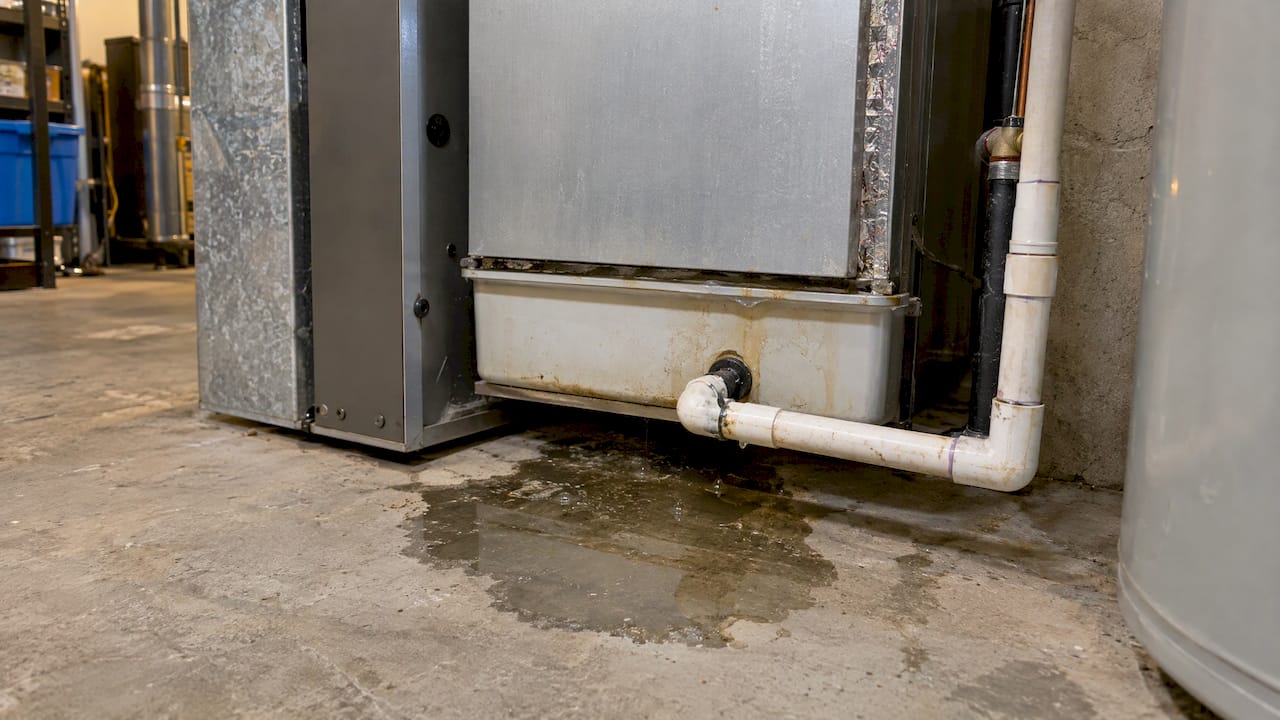
Mould is a moisture problem. CMHC’s guidance on mould says cleaning it away is temporary unless the underlying dampness is dealt with, and the EPA says the same about conditions that cause growth in ducts. So before you pay for any mould-related duct work, find the source: a humidifier set too high, a leaking coil drain pan, a bathroom fan that vents into the attic, or a roof leak. Our page on mould in air ducts lists safe checks to start with.
What to check before any chemical goes into your ducts
This is the part where homeowners should slow the conversation down. The safety evidence is mostly about what you are breathing after the product is applied.
Ask for the product name and the label. A National Research Council of Canada protocol for commercial buildings says biocides used in HVAC cleaning must be regulated for that specific use in Canada by Health Canada’s Pest Management Regulatory Agency (PMRA). You can read the label for directions, contact time and any rinse requirements.
Understand that treatments carry exposure considerations. The same NRC document notes that chemical treatments involve biocides or sealants, and it cites a review reporting that emissions from treatment can expose occupants to harmful levels in commercial buildings. An older CMHC study of residential duct cleaning found that product information listed skin, eye and respiratory irritation and headaches among reported effects. The same study found that none of the contractors it contacted knew of specific regulations for biocide use in residential ducts. That was in 1994, which is a good reason to ask the questions yourself today.
Plan for the people and pets at home. If a product is used, ask how long the house should be vented and whether anyone with asthma, allergies, young children, or a pet that is sensitive to chemicals should be out of the house during application. Anyone with a respiratory condition should check with their doctor before choosing a chemical treatment.
Confirm the cleaning comes first. Ask how the crew contains and collects dust. The EPA notes that an inadequate vacuum collection system can release more dust and contaminants into the home than if the ducts had been left alone. The collection setup is the single biggest quality marker of a job.
A short list of questions for any quote:
- What exactly did you find that calls for a treatment, and can I see it?
- What is the product name, and is it registered for HVAC use in Canada?
- How will you contain dust while you clean?
- Do you clean the furnace or air handler, blower and coil as part of the job?
- What is the full price, including the vent count and any extras?
What to expect afterwards
A realistic result from a duct clean is a system with the loose dust and debris removed, cleaner registers, and a furnace that is not pulling through a clogged path. It is not a cure for a stuffy house caused by something else. Studies on how much particle levels drop in homes after cleaning have been mixed, so it is best to book for a visible reason, such as post-renovation dust, pests or mould, rather than for a promised change in your health.
If your complaint is odour, dust or smoke, and you are comparing options, our page on duct cleaning versus air purifiers explains which problems each one addresses. Most homes with a dust or filter issue also do better by changing filters on schedule.
Will the house be dusty afterwards?
A little settled dust on surfaces right after a job is not unusual in any home, since the system has been disturbed and air is moving again. Heavy dust blowing out of vents after a clean points to a collection problem during the work, which is why the vacuum setup is the question to ask first.
Dryer vents are a separate safety job
Do not fold dryer vent cleaning into a duct-sanitizing decision. It has a different purpose: fire prevention. Lint builds up in the exhaust duct and the outside hood, and it burns. CMHC’s home maintenance schedule recommends disconnecting the dryer duct and vacuuming lint from the duct, the area around the dryer and the outside vent hood.
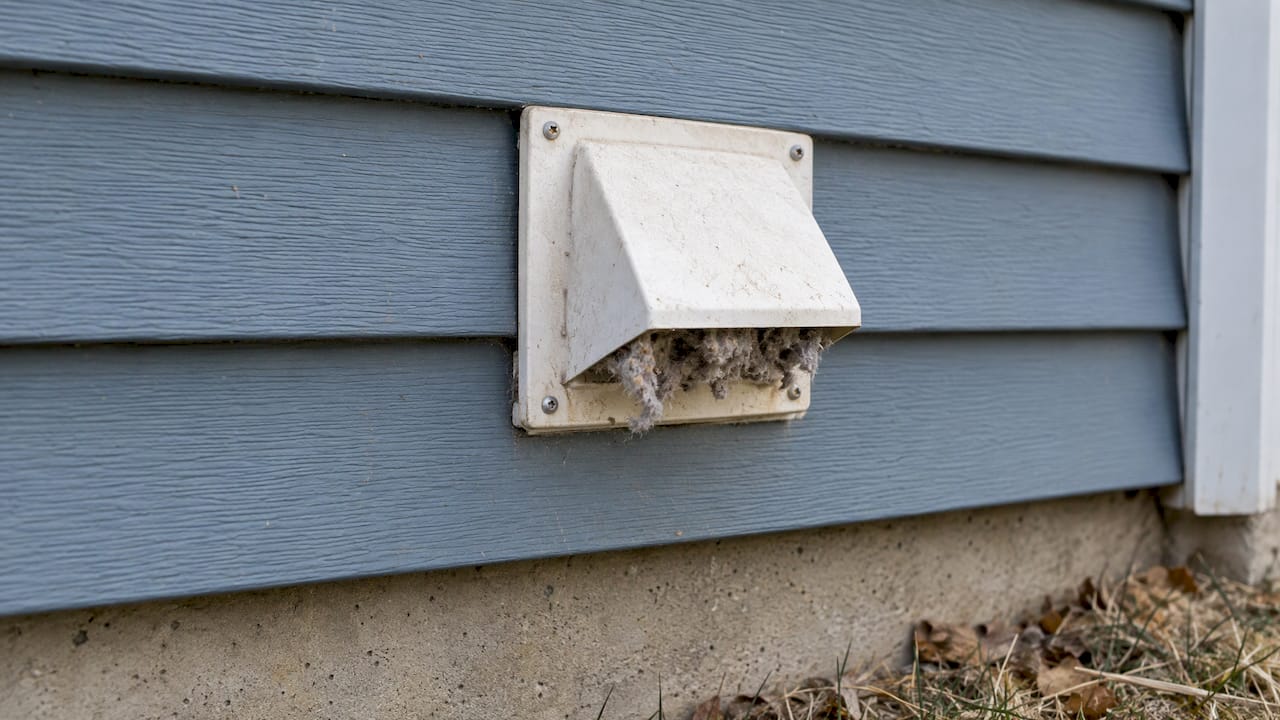
If your clothes take more than one cycle to dry or the laundry room feels hot and damp, the vent is where to look. Our dryer vent cleaning service is priced from $99 to $225. If your vent exits through the roof, read our guide to rooftop dryer vent cleaning safety first.
What it costs
The prices below are what we publish on our site. They are one-off prices per completed service, and the final number depends on the size of the home, the number of vents and the access.
| Service | Published price (CAD) |
|---|---|
| Air duct cleaning | $400 to $800 |
| Furnace cleaning | $50 to $300 |
| Air conditioning coil cleaning | $100 to $400 |
| HRV cleaning | $100 to $400 |
| Dryer vent cleaning | $99 to $225 |
| Grease exhaust and hood systems (commercial kitchens) | $400 to $800 |
The useful comparison is not “cleaning versus sanitizing” but “what does this quote include?” A clear quote lists the number of vents, whether the furnace and blower are cleaned, and any extra product with its reason. A quote that jumps by several hundred dollars for a treatment you did not ask for should come with a written finding to match.
For property managers and small businesses
If you manage a building or a workplace, the same order of work applies: inspect, clean, document, and treat only when the inspection supports it. Documentation matters more for you than for a homeowner. Photos before and after, a note of what was done and a record of any product used give you something to show tenants, owners and insurers. We serve residential, strata and commercial properties in British Columbia, Alberta and Saskatchewan, and commercial kitchens get exhaust and hood cleaning to NFPA 96, the fire-safety standard for kitchen exhaust systems.
Our approach
We think about this question the way we would for our own families. Most homes do not need a chemical treatment. They need a thorough, careful clean that gets dust, debris and lint out of the system.
That is where we put our effort: certified technicians, advanced equipment and safety protocols, and a clear price with no hidden fees. If an inspection shows something that calls for more than a clean, such as mould or pest contamination, we explain what we found and what the next step is before any work begins.
For dryer vents, we treat the job as fire prevention, because neglected vents are one of the most common and preventable household risks. We also run round-the-clock support, including emergencies, because a flooded basement or a smoke event does not wait for business hours.
Clean first, document what you see, and spend more only when there is a reason. That order protects your home and your budget.
Jayce
Book an inspection and a clean
If you have a reason to look, such as a renovation, pests, visible mould or a vent that has not been touched in years, start with a clean. Our air duct cleaning service is for homes and businesses across British Columbia, Alberta and Saskatchewan, with published pricing of $400 to $800 CAD. You can also see the residential duct cleaning page for your area.
Tell us what you are seeing and we will give you a clear quote. If you are comparing a quote that includes sanitizing, send it over and we will go through what each line covers.
FAQ
Is duct sanitizing worth it for a normal home?
Usually a thorough cleaning is the step that matters, and sanitizing is an optional supplement. It makes sense after cleaning when an inspection confirms mould, pest contamination, fire or flood residue, or an odour that persists after you fix the cause. Ask to see what was found before you approve it.
Is duct sanitizing safe?
It depends on the product and how it is applied. In Canada, biocides for HVAC cleaning must be regulated for that use by the PMRA, so ask for the name and label and follow the ventilation directions. People with asthma or other respiratory conditions should check with their doctor first.
What are the signs my air ducts are dirty?
Look for visible mould on duct parts, signs of rodents or insects, and dust or debris blowing from your supply registers. The EPA lists these as reasons to have the system inspected. Our dirty duct checks show what to look at safely.
How often should dryer vents be cleaned?
CMHC’s schedule lists dryer duct cleaning as a regular home maintenance task, with lint removed from the duct and outside hood. If drying times lengthen, do it sooner. Lint is a fire risk, so do not wait.
Sources
- The Truth About Disinfection, NADCA
- Should You Have the Air Ducts in Your Home Cleaned?, U.S. EPA
- Testing effectiveness of duct cleaning, National Research Council Canada
- CMHC study on residential duct cleaning, 1994
- Mould in Housing, CMHC
- Home Maintenance Schedule, CMHC