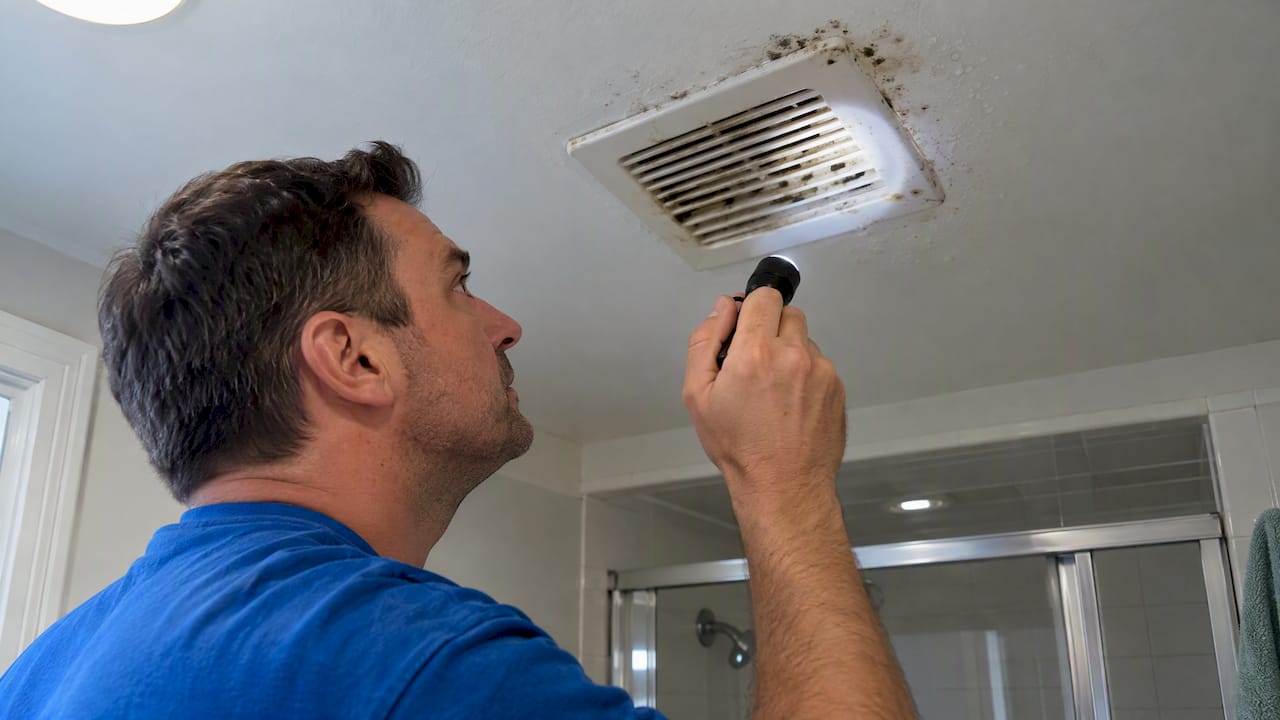
If you’re noticing dust puffing from vents when your system starts, a musty smell near registers, or filters clogging within weeks, your ducts are likely due for cleaning. Visible debris, mould, pest activity, or water damage near your HVAC system are the clearest triggers for action. Start by pulling a register cover and looking inside with a flashlight, or book a professional inspection if you see mould or signs of moisture.
TL;DR:
- Visible debris, mould, pest activity, or water damage indicate a need for professional duct cleaning and inspection.
- Signs like dust puffing, musty odours, or faster filter clogging often point to heavy contamination or moisture issues within the system.
- Moisture, not just dust, drives mould growth, so controlling humidity and repairing leaks is crucial before cleaning.
- A proper inspection includes visual checks, verification tests, and mechanical cleaning methods that protect system components.
- Regular seasonal checks and immediate action after water events, renovation, or persistent symptoms help prevent health risks and fire hazards.
Table of Contents
- 10 common signs your air ducts are dirty
- Quick DIY checks you can do safely to confirm signs
- Health, mould and moisture: what really matters
- When to call a pro and what a proper inspection includes
- What professionals actually fix and how we approach it
- How often should you actually check your ducts?
- How Blue Brothers can help with inspection and cleaning
- FAQ
- Sources
10 common signs your air ducts are dirty
Most duct contamination builds up slowly, so the signs are easy to miss until they become obvious. Here’s what to watch for:
- Dark build-up or visible puffs of dust around vent covers when the furnace or air conditioner kicks on.
- Dust that resettles on furniture soon after cleaning, paired with filters that clog faster than expected.
- Musty, mouldy, or stale smoke and pet odours that seem to come from the vents themselves rather than the room.
- Allergy symptoms, coughing, or sinus irritation that ease up when you leave the house and return when you’re back inside.
- Rooms that run noticeably hotter or colder than others, or vents that rattle, whistle, or hum.
- Mould spots or water stains on ductwork, the furnace cabinet, or nearby drywall.
- Droppings, nesting material, or insect casings visible when you remove a register.
- New or worsened dust and odour complaints that started right after a renovation or construction project.
- Registers that blow visible dirt or fibres into the room instead of just air.
- HVAC filters and coils that get dirty again within days of being cleaned or replaced.
Any one of these on its own might be minor. A lingering musty smell combined with a water stain, for example, points to moisture rather than simple dust, and that changes what you need to fix first. A dust puff on startup is a stronger signal than a dusty register that’s been sitting still, because it usually means loose material has already broken free inside the duct and is migrating into your living space. Pest signs or post-renovation symptoms are also worth treating seriously since they often mean contamination beyond what a filter change can solve.
Quick DIY checks you can do safely to confirm signs
Before booking anything, a few simple checks can tell you whether you’re dealing with light dust or something that needs professional attention.
- Turn off the system, then unscrew or unclip the register cover and set it aside.
- Shine a flashlight a foot or two into the duct opening and look for dark, matted debris versus a thin, even layer of dust.
- Use your phone’s camera (flash on) or an inexpensive borescope to look farther in. Look for what feels like small mounds of debris rather than light surface dusting.
- Pull your air filter and check it against its replacement schedule. A filter that’s visibly grey or clogged well before its rated lifespan suggests the system is pulling in more particulate than normal.
- Check the visible part of the coil or furnace cabinet for dust cake or moisture.
Pro Tip: If your flashlight or camera check is inconclusive, that’s exactly when NADCA-style verification, a trained technician’s visual inspection or a vacuum test, settles the question instead of guessing.
Health, mould and moisture: what really matters
Moisture, not dust alone, is the real driver of mould growth in homes, according to Health Canada. That means the first fix for musty odours or visible mould near your ducts is usually a leak, condensation problem, or humidity source, not just a cleaning appointment.
People respond very differently to mould exposure, and air sampling alone rarely answers whether a given level poses a health risk, according to Health Canada’s residential air quality guideline on moulds. That’s why visible mould or a persistent musty smell is treated as reason enough to act, rather than waiting on a test result.
If you see mould or keep smelling it, pair moisture source control with professional duct cleaning and, where needed, repairs like the kind described in guidance on fixing water-damaged walls. People with allergies, asthma, or weakened immune systems tend to notice symptoms first and benefit most from acting quickly rather than monitoring the situation. We’ve written more on how dirty ducts affect indoor air quality and comfort through the colder months.
When to call a pro and what a proper inspection includes
NADCA’s cleaning standard sets out clear conditions where professional cleaning is warranted rather than optional. These include:
- Visible contamination inside ducts or on HVAC components.
- Debris actively discharging from registers into the living space.
- Persistent odours that don’t resolve with filter changes or ventilation.
- Fire, smoke, or water damage affecting the duct system.
- Pest droppings, nests, or infestation evidence.
- Heavy particulate from recent construction or renovation.
- Mould growth on ducts or nearby porous materials.
- Porous insulation or liners that are degraded or saturated.
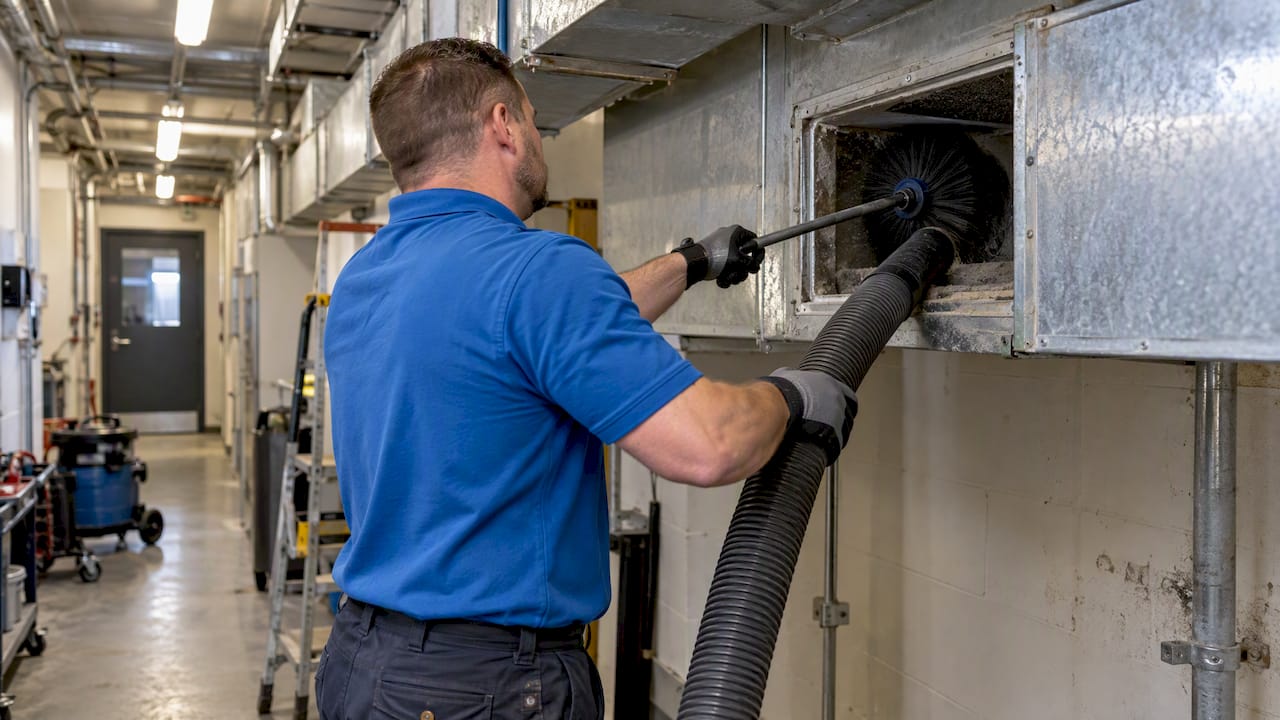
A credible inspection starts with access to the system and a visual check against these criteria, and NADCA describes two further verification tools: a Surface Comparison Test and a vacuum test that measures leftover debris by weight. Proper cleaning relies on mechanical agitation paired with vacuum capture, done in a way that protects coils, blowers, and other components from damage. Ask any provider how they verify a clean result, and treat vague answers, demands for large upfront payment, or guarantees of an instant fix as red flags.
What professionals actually fix and how we approach it
Mechanical agitation combined with HEPA-filtered vacuum capture removes loose particulate that a filter or register brush can’t reach, leaving components visibly clean by NADCA’s own criteria. Homeowners typically notice less dust resettling, steadier airflow, and fewer lingering odours afterward. Our team structures residential and commercial jobs around that same visual and procedural standard, including dryer vent service, since blocked vents are also a known fire hazard worth addressing at the same time as duct contamination.
How often should you actually check your ducts?
A seasonal glance at your registers and filters catches most problems before they become expensive. I’d flag a water event, a renovation, or a new musty smell as reasons to skip the wait and book an inspection right away. A short visual check costs little next to the risk of mould spreading or a dryer vent fire, so when symptoms persist, treat it as worth the call rather than something to monitor longer.
— Jayce
How Blue Brothers can help with inspection and cleaning
If you’re seeing any of the signs above, booking an inspection is a faster path to an answer than guessing from a flashlight check. Services offered include air duct cleaning for visible contamination, dust complaints, or post-renovation debris; dryer vent cleaning to reduce fire risk from lint build-up; furnace cleaning and air conditioning coil cleaning for components that collect dust and moisture; and HRV cleaning for homes relying on balanced ventilation.
When you book, expect a visual inspection of accessible ductwork, a scope of work based on what’s found, and verification once the job is done. Musty odours, visible debris, a recent water event, or ongoing symptoms are all good reasons to request a duct cleaning quote now rather than wait for things to worsen.
This article is general information, not a substitute for advice from a qualified doctor. Consult a qualified healthcare professional about your own circumstances before acting on anything here.
FAQ
How do I know if my ducts are dirty?
Check for dust puffing from vents when your system starts, musty smells, filters clogging faster than usual, or visible debris when you remove a register cover. A flashlight or phone camera check a foot or two into the duct can confirm whether you’re seeing light dust or heavier build-up.
What time of year should you clean your air ducts?
Many homeowners schedule cleaning before heavy heating or cooling season starts, since that’s when a dirty system works hardest and circulates the most particulate. If you notice mould, pests, or a water event, address it right away rather than waiting for a seasonal window.
Can you get sick from dirty air ducts?
Dust and mould associated with dirty ducts can trigger allergy symptoms, coughing, or breathing irritation, and people respond very differently to mould exposure, according to Health Canada. People with asthma, allergies, or weakened immune systems tend to notice effects sooner and benefit most from addressing the problem quickly.
What happens if you never clean air ducts?
Over time, uncleaned ducts tend to recirculate more dust, reduce airflow efficiency, and, where moisture is present, support ongoing mould growth, according to Health Canada’s guidance on moisture and mould. Neglected dryer vents specifically carry a fire risk that only grows the longer lint and debris are left to build up.
Sources
These are the primary documents behind the thresholds and health guidance referenced above, useful if you want to read the source material directly.