Gutter guards are worth it if you deal with heavy leaf or needle drop, don’t want to climb a ladder twice a year, or have had overflow damage before. They’re a weaker bet on a single-storey home with few trees nearby, or if you’re planning to sell within a few years. Either way, guards reduce cleaning frequency. They don’t eliminate maintenance entirely, and anyone who tells you otherwise is selling something.
TL;DR:
- Gutter guards significantly reduce the frequency of cleaning but still require occasional maintenance to clear debris on top of the guard.
- They prevent overflow and protect foundations by keeping gutters clearer during heavy rain, especially in homes with mature tree cover.
- Quality installation and materials, such as metal frames and micro-mesh designs, are crucial for long-term performance and avoiding issues like warping or trapping moisture.
- Guards can help prevent pest infestations and improve runoff quality for rainwater collection, but they may fail during very heavy storms or in cold climates if not installed properly.
- The cost-benefit balance favors guards for long-term homeowners with lots of debris, but short-term owners or homes with already damaged gutters may see limited value.
Table of Contents
- Are gutter guards worth it? What homeowners actually gain
- The downsides nobody mentions in the sales pitch
- Types of gutter guards and where each one actually performs
- What gutter guards cost and when they pay for themselves
- How to decide if gutter guards make sense for your home
- Installing and maintaining gutter guards the right way
- What the lab tests and installer experience actually show
- The bottom line on whether to buy
- A publisher’s take on gutter guards
- When cleaning or repair beats a guard purchase
- Sources
- FAQ
Are gutter guards worth it? What homeowners actually gain
The honest answer is that gutter guards work, but “work” needs a definition. They don’t stop cleaning forever. They stretch the interval between cleanings and cut the mess when you do climb up there.
Homeowner survey data referenced by This Old House shows many owners report fewer cleanings and solid satisfaction after installing guards, though a minority still deal with clogs regularly. That split matters. It tells you guards shift the odds in your favour rather than guaranteeing a maintenance-free gutter system.
Here’s what shows up most often in homeowner feedback and installer reports:
- Fewer trips up the ladder each year, often dropping from two or three cleanings to one inspection
- Less standing water in the trough, which cuts down on overflow along the fascia and siding
- Reduced risk of water pooling near the foundation, since guards keep the channel clearer for flow
- Fewer pests and birds nesting in open gutters packed with wet leaves
- Cleaner runoff if you collect rainwater for garden use, since guards block bulk debris before it hits the barrel
Pro Tip: If you’re over 60 or have any balance or mobility concerns, weigh the ladder risk on its own merits. A fall from a gutter ladder is a far bigger cost than any product on this page.
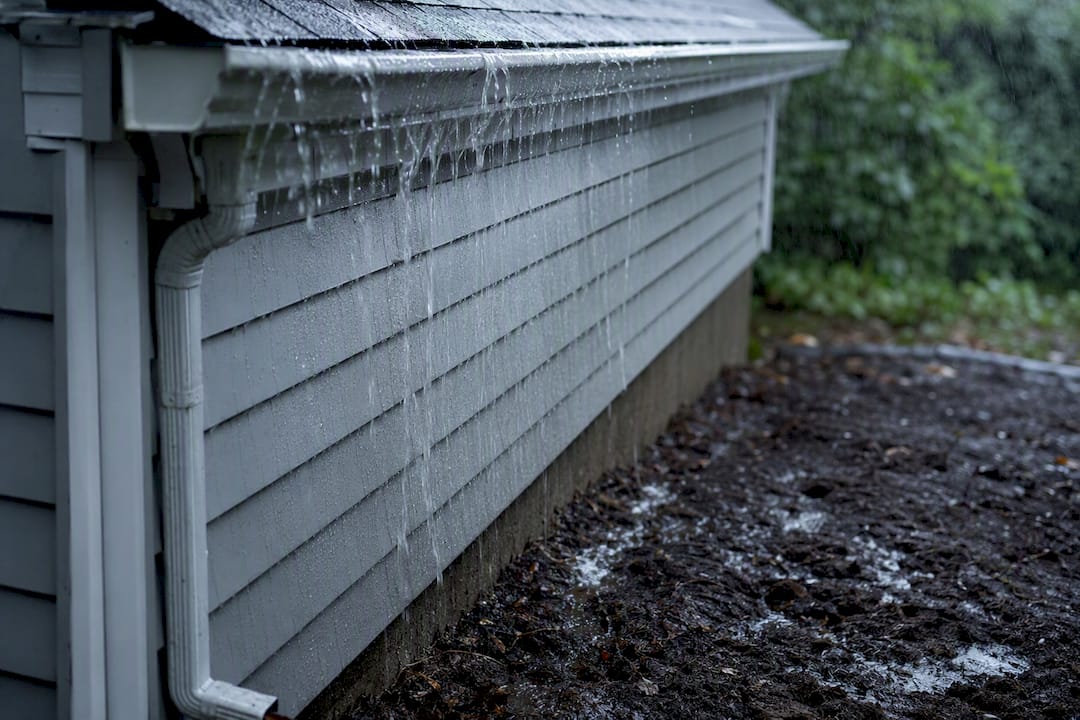
The foundation and siding protection deserves a closer look because it’s the benefit most homeowners underestimate. Overflowing gutters send water sheeting down exterior walls and pooling right where your foundation meets grade. Over years, that pattern contributes to basement moisture problems, and repeated freeze thaw cycles around a foundation edge cause more damage than most people expect. If you’ve ever dealt with a damp basement after a heavy rain, a look at basement finishing options might be a useful parallel project, since preventing water intrusion upstream is cheaper than repairing it downstream.
None of this means guards are an install-and-forget product. They shift the type of maintenance you do, not the need for it.
The downsides nobody mentions in the sales pitch
Every gutter guard on the market still needs attention. The question isn’t whether maintenance disappears. It’s how much less of it you’ll do.
Debris doesn’t vanish once a guard goes on. It just changes location. Instead of collecting inside the gutter, seeds, grit, and small leaves accumulate on top of the mesh or screen, and that layer needs the occasional brushing or blowing to clear. Skip that step for a couple of seasons and you get a mat of compost sitting on your guards, which defeats the purpose.
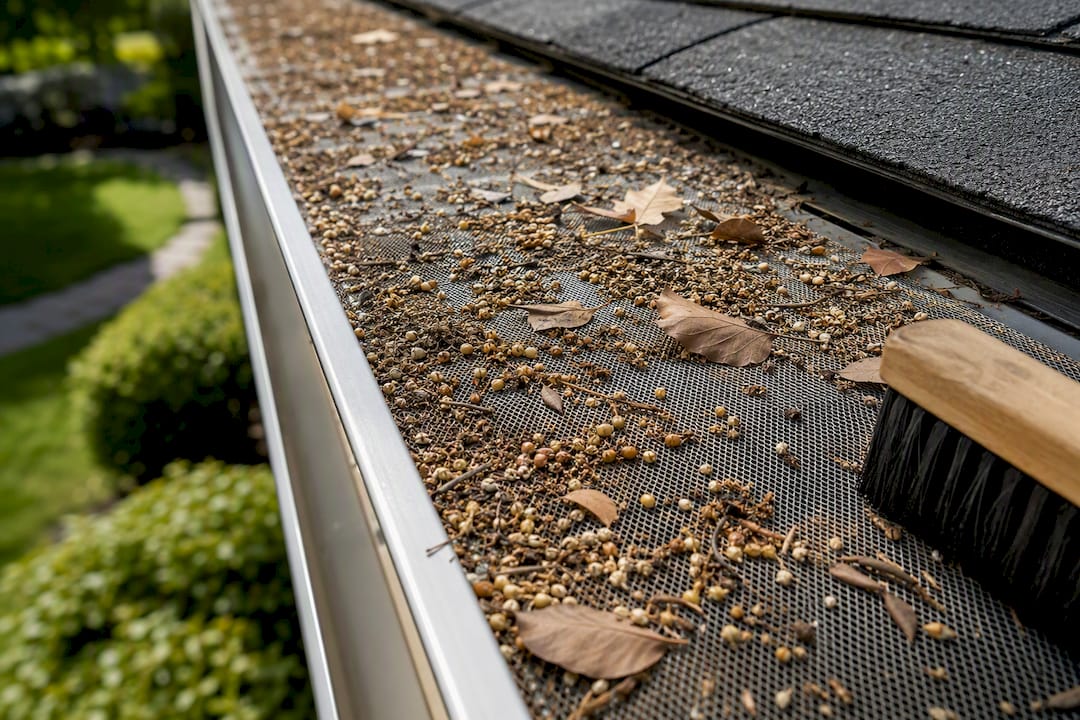
Certain debris types expose real weaknesses. Pine needles are notorious for working through wider mesh openings or lodging in the channel behind the guard. Asphalt shingle grit, which washes off every roof as it ages, is fine enough to slip through many screen products and settle at the bottom of the gutter over time. Heavy downpours can also overwhelm surface tension designs, since water can shoot right past a reverse curve guard during an intense storm instead of following the curve into the trough.
Installation quality and materials matter more than most buyers realize. According to installer and inspection commentary, high quality guards installed correctly perform well for years, while cheap plastic snap-in inserts often warp, pop loose in wind, or trap moisture that leads to hidden clogs nobody notices until water starts spilling over the edge.
- Debris still needs occasional clearing from the top of the guard
- Fine grit and needles slip through wider mesh and screen products
- Reverse curve guards can lose their grip on water flow during heavy rain
- Cheap plastic inserts warp, crack, or detach faster than metal alternatives
- In cold climates, guards can trap moisture near the roof edge and worsen ice dam formation if the roof isn’t properly ventilated
That last point on ice deserves attention if you live somewhere with real winters. A guard that holds meltwater against the fascia, rather than letting it drain freely, can make ice dams worse rather than better, especially on a roof with poor attic insulation or ventilation to begin with.
Types of gutter guards and where each one actually performs
Not all guards solve the same problem, and picking the wrong type for your debris profile is the single most common reason people end up disappointed.
- Micro-mesh guards. These use a fine stainless steel or aluminum screen that blocks almost everything, including shingle grit and small seeds. They cost the most and usually call for a professional install, but they deliver the best balance of filtration and durability for homes surrounded by mixed tree cover.
- Perforated mesh and screen guards. A mid-range option with larger holes than micro-mesh. They handle leaves well but let finer grit and needles through more easily, so hole size is the detail to check before buying.
- Surface tension (reverse curve) guards. These look sleek and shed large leaves effectively under normal rainfall, but they can overflow during a genuine downpour and need precise installation to avoid roof damage during fitting.
- Foam inserts. Cheap and easy to install yourself, foam guards work reasonably well against big leaves at first. Over a few seasons they degrade in freeze thaw climates and start holding water instead of shedding it, especially where winters are harsh.
- Brush inserts. Similar story to foam: inexpensive, simple to install, decent against large debris, but poor against seeds and needles that nestle between the bristles.
On materials, aluminum and stainless steel hold up far longer than plastic components, which turn brittle under UV exposure and temperature swings. If you’re paying for a guard system at all, spending a bit more for metal fasteners and frames is usually the difference between a ten-year product and a three-year one.
What gutter guards cost and when they pay for themselves
Price ranges vary widely depending on material, guard type, and whether you install it yourself or hire a crew, so treat these as ballpark figures and get a local quote before committing.
DIY foam, brush, or basic plastic guard kits typically run about $1.50 to $4 per linear foot in materials. Professionally installed mesh or micro-mesh systems usually land between $7 and $20 or more per linear foot, with the top end reflecting steel micro-mesh and complex rooflines. Higher-end systems can run into the thousands of dollars for an average sized home, though many of those come with multi-decade warranties attached.
Here’s a simple way to frame the payback question. Professional gutter cleaning in many areas may cost between moderate amounts per visit, leading to substantial cumulative expenses over a decade. A mid-range professionally installed guard system priced in the lower thousands may pay for itself within a decade if it significantly reduces the frequency of cleanings.
- Warranties come in two flavours: product warranties covering material defects, and installation warranties covering workmanship. Ask which one you’re getting, because a lifetime product warranty means nothing if the installer’s workmanship isn’t backed separately.
- Complex roof lines, steep pitch, and valleys with heavy water flow all push installed cost higher.
- Fascia in poor condition often needs repair before guards go on, which adds to the quote.
- Homes with heavy snow load may need reinforced brackets, another line item some quotes leave out until later.
Factors like roof pitch and fascia condition can swing a quote significantly, so always get the crew to inspect in person rather than pricing from photos alone.
How to decide if gutter guards make sense for your home
Run through this before you call anyone for a quote:
- Count the trees. If you’ve got mature trees within about 15 metres of the roofline, especially conifers dropping needles twice a year, guards earn their keep fast.
- Track how often you already clean. Cleaning gutters more than once a year is a strong signal that guards will cut real labour and risk.
- Check your roof and fascia condition. Guards installed over rotting fascia or sagging gutters just hide a bigger problem. Fix the gutter system first.
- Be honest about your ownership horizon. If you’re planning to sell within two or three years, a long-term owner sees a stronger payoff than someone about to list the house.
- Weigh your comfort on a ladder. If climbing to clean gutters is a genuine safety concern, guards are worth it almost regardless of the math above.
When you call installers, ask what material the mesh or screen is made from, how it attaches to the fascia and gutter lip, what warranty covers workmanship versus material, and whether they can show you a completed local install. A contractor who dodges those questions or leans hard on “lifetime, never clean again” language is worth a second opinion.
Pro Tip: Ask any installer offering a “no cleaning ever” guarantee to put that specific promise in writing. If they won’t, that tells you everything about how confident they actually are.
DIY makes sense for simple single-storey homes with foam or brush inserts, where the stakes of a bad install are low. Multi-storey homes, steep pitches, or premium micro-mesh systems are worth paying a professional to fit correctly the first time.
Installing and maintaining gutter guards the right way
A professional install typically starts with clearing and inspecting the existing gutters, repairing any sagging sections or loose brackets, then fitting the guard system to the fascia or gutter lip depending on the product’s attachment method. Expect a few hours for an average single storey home, longer for multi-storey properties or complex roof lines with valleys and dormers.
Professional installation costs more upfront than a DIY weekend project, but it reduces the risk of incorrect attachment that can lead to roof damage or guards popping loose in high wind.
Once installed, guards still need a seasonal routine:
- Inspect in spring and fall for debris sitting on top of the mesh or screen
- Rinse with a hose or use a soft brush to clear compacted grit and seeds
- Check fasteners and brackets annually, especially after a heavy storm season
- Look for water marks on siding, which signal overflow even with guards installed
If you notice water spilling over the edge during rain, or dark streaks forming on the fascia, that’s your sign the guards need clearing or the system was undersized for your roof’s water volume. In colder regions, heated cable systems can be added along the roof edge to reduce ice dam risk, though they add ongoing electricity cost and aren’t necessary on every home.
What the lab tests and installer experience actually show
The evidence on gutter guards is more mixed than most marketing suggests, and that’s worth sitting with before you buy.
Consumer Reports’ testing found genuinely variable results across product types, with some guards performing well under controlled conditions and others failing to keep out debris or manage heavy rainfall. That’s not a knock against the category. It’s a reminder that “gutter guard” covers a wide range of quality tiers, and the label alone tells you nothing about performance.
- Lab conditions don’t always match your roof’s real debris load, pitch, or storm intensity
- A product that performs well in a controlled test can still underperform if the installer doesn’t match it to your gutter size and roof pitch
- Installer experience consistently points to the same conclusion: quality materials plus correct installation beat a fancy product poorly fitted
- Homeowner survey data leans positive on reduced cleaning frequency, but satisfaction isn’t universal
A product that passes a controlled lab test may still fail in the field if roof pitch, leaf type, or installer technique aren’t matched to the product. That gap between test bench and rooftop is where most buyer disappointment actually starts.
The practical takeaway: treat lab results as a baseline, not a guarantee, and weigh installer reputation and local reviews just as heavily as the product spec sheet.
The bottom line on whether to buy
Three buckets cover almost every homeowner situation. Definitely worth it: heavy tree cover, a history of clogged gutters, mobility concerns about ladders, or a long-term ownership horizon. Maybe: moderate debris, a mixed roof line, or uncertainty about how long you’ll own the house. Not worth it: minimal nearby trees, a home you plan to sell soon, or gutters that are already damaged and need repair first.
Before buying anything, repair your existing gutter system, get two or three quotes from different installers, and consider a small DIY trial panel on one section of roof if you’re on the fence about a product type. Guards reduce maintenance. They don’t remove it, and treating them as a permanent fix instead of a labour-saver is where most regret comes from.
A publisher’s take on gutter guards
Gutter condition comes before guard quality every time. A guard fastened to a sagging, poorly pitched gutter just hides a bigger problem longer. The field detail worth checking before anything else: does water actually reach the downspout cleanly during a hard rain, guard or no guard? If it doesn’t, fix that first. Everything else is secondary.
— Jayce
When cleaning or repair beats a guard purchase
Gutter guards aren’t the only route to a working drainage system, and for some homeowners they’re not the right one. If you’re in a house for another year or two, dealing with low debris, or sitting on gutters that are already sagging or leaking, a straight repair and cleaning service solves the actual problem without the upfront cost of a guard install.

A local service provider handles gutter cleaning and repair alongside duct, dryer vent, and furnace services across multiple provinces, which means one call can cover more than just your eavestroughs. A damaged gutter system often points to bigger air quality or moisture issues elsewhere in the home, and a service visit is a chance to catch both at once rather than treating gutters in isolation. If you’re weighing a guard purchase against a straightforward professional cleaning, request a duct cleaning quote and ask about gutter service while you’re at it. It’s a low-commitment way to see what your gutters actually need before you spend on hardware.
Sources
For deeper technical detail beyond this article, Consumer Reports’ lab testing breaks down performance by product type, HowStuffWorks explains how each guard type filters debris, StructureTech offers an installer’s inspection perspective, and This Old House covers practical pros and cons for everyday homeowners.
- How well do gutter guards work? (Consumer Reports video)
- Do gutter guards work? | HowStuffWorks
- Are gutter guards worth it? – StructureTech Home Inspections
- Are gutter guards worth it? (This Old House)
FAQ
What are the downsides to gutter guards?
They still need occasional clearing on top, fine debris like pine needles and shingle grit can slip through some designs, and cheap plastic products can warp, detach, or trap moisture that worsens ice dam risk in cold climates.
Is it better to have gutter guards or not?
It depends on your debris load and ownership horizon. Homes with heavy tree cover or owners who want fewer ladder trips typically benefit, while low-debris homes or short-term owners often get more value from regular professional cleaning.
Do any gutter leaf guards really work?
Yes, but performance varies sharply by product. Consumer Reports’ testing found some guards handle debris and heavy rain well while others fail, so quality and correct installation matter more than the marketing claims on the box.
What are the worst gutter guards according to consumer reports?
Consumer Reports’ testing has flagged that cheap foam and plastic snap-in inserts tend to underperform, particularly in freeze thaw climates where they degrade and trap water rather than shedding it.
Are gutter guards worth the money for an older home with mature trees?
For a home surrounded by mature trees, especially conifers, guards are usually one of the more effective upgrades available, since they cut the frequency of climbing a ladder and reduce the odds of a hidden clog causing overflow damage.
Recommended
- New Year 2026, Cleaner Air: Why January Is the Best Time for Duct Cleaning
- Save More This Winter: How a Clean Furnace and Duct System Boost Efficiency
- ❄️ Cold Outside, Clean Inside: How Duct Cleaning Keeps Your Home Comfortable All Winter
- Stop Wasting Heat: How Clean Air Ducts Improve Furnace Efficiency in Winter